How to Tell the Differences Between Allergies and Bedbug Bites

It is not surprising for a lot of people to mistake bedbug bites for allergies since the two are closely the same at first look. However, misdiagnosing the problem can lead to bigger problems since you will likely be using the wrong treatment. It is therefore crucial for you to be able to catch the difference between the two skin lesions. In this article, you will find out an almost-accurate way of making the diagnosis.
Bedbug Bites
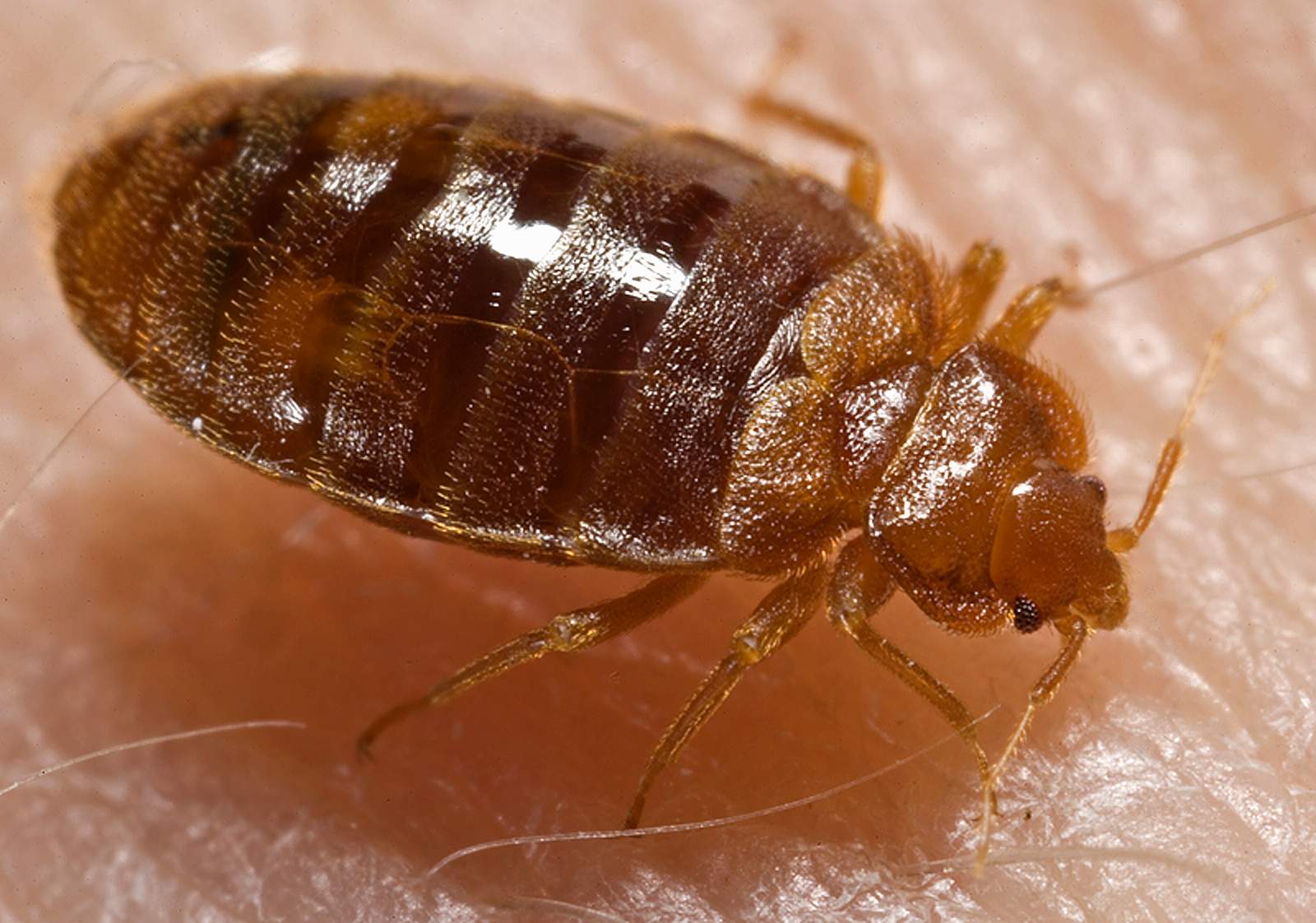
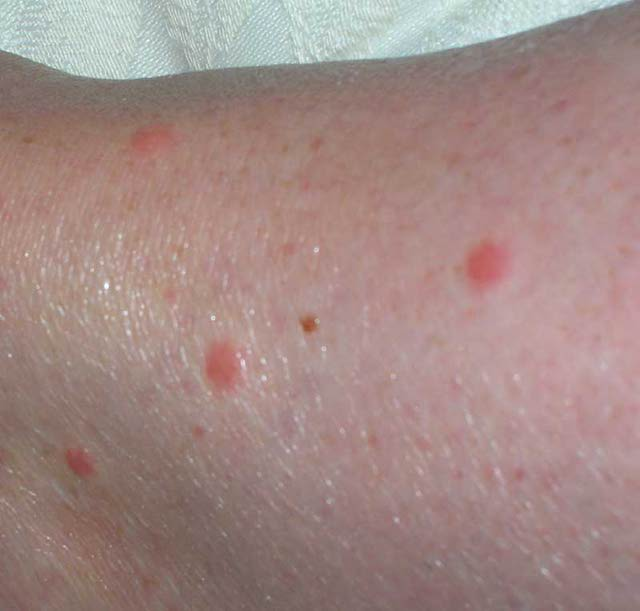
Bedbug bites only occur on exposed parts of the body when you’re sleeping which could be the neck, the hands, arms, and legs. The itching will be localized and there will be lesions on the bitten area, the welts either flat or slightly raised. There may be one or more bites so don’t be surprised if there’s itching spread all over the body (ex: neck, arms, and feet). You’ll also notice that the red welts seem to form a line – this is the bedbug’s path as it feeds on your skin. You may also find clusters of the lesion and typically, this will fade away in time – unless you suffer through another attack of bedbug feeding.
Testing
For most people, the presence of bedbug bites is their first indicator that there are bedbugs in their room. To confirm this theory, try using a plain white sheet for your bed. Leave it there for a few days – you should be able to see black streaks on the sheet after a few nights. This is a clear sign that bedbugs reside in your bed to start doing a complete overhaul. Wash the sheets and throw the mattress away if necessary.
Allergies
Allergies tend to cover more area, depending on the type of allergen you’re reacting against. The most common places where allergy caused lesions appear include: lips, eyes, tongue, and face. Like bedbugs, this involves flat or raised lesions that are reddish and itchy. However, if your lesions appear somewhere often covered by clothes when sleeping, then there’s a good chance that this is actually an allergic reaction.
Allergic reactions also come with additional symptoms that you will not find with bedbug bites. This includes abdominal pain, vomiting, and dry scaly skin. You’ll also find that the allergy-caused lesions are often clustered and although they may cover a larger area, there is usually just one point of origin. From here, the rash may spread outwards, covering the body.
What if you’re both? Although very few people are allergic to bedbug bites, there have been instances when a person reports respiratory distress after being bitten. Should this happen to you, make sure to get medication and make arrangements for a new bed. Do NOT simply switch rooms since the bedbugs will simply follow you.
Whether it’s allergies or bedbugs, these lesions must be addressed immediately – otherwise they can cause worse problems. Obviously, the underlying cause must be stopped in either case before the lesions completely disappear. Do NOT keep on scratching the rashes and simply apply a soothing, menthol-type topical cream to the area to limit the itchiness. Bedbug bite topical creams are easy to find but for allergies, a doctor’s advice would be best.